
News Archives - Rhythm Therapeutic Rehabilitation

Categories
News

Advice for Engaging with Autistic Toddlers in Occupational Therapy during Early Intervention

Navigating the world of autism spectrum disorder can be challenging, especially for young children. For autistic toddlers, early intervention is crucial in laying a strong foundation for their development. Occupational therapy plays a significant role in this process, helping these little ones unlock their potential and thrive. If you’re exploring ways to connect with an autistic toddler during occupational therapy sessions, you’re not alone. Many therapists and caregivers are on the lookout for effective strategies to engage these vibrant minds. Let’s dive into some valuable insights that will empower you to create meaningful interactions and support progress in occupational therapy settings—especially here in Kolkata!

Understanding Autism Spectrum Disorder

Autism Spectrum Disorder (ASD) encompasses a range of neurodevelopmental conditions that affect communication, behavior, and social skills. Each child with autism presents a unique profile, showcasing varying strengths and challenges.

Many autistic toddlers may find it difficult to engage in typical back-and-forth interactions. This can lead to misunderstandings or frustration during therapy sessions. Recognizing these differences is essential for effective engagement.

Sensory sensitivities are also common among children on the spectrum. Loud noises or bright lights can be overwhelming, making it crucial for caregivers and therapists to approach each session thoughtfully.

Understanding the individual needs of an autistic toddler fosters better connections and aids in tailoring interventions accordingly. By observing their reactions and preferences, you can create a more supportive therapeutic environment that encourages growth.

The Importance of Early Intervention and Occupational Therapy

Early intervention plays a crucial role in the development of autistic toddlers. Addressing developmental concerns at an early stage can significantly improve long-term outcomes.

Occupational therapy is a vital component of this process. It helps children build essential skills needed for daily life, from fine motor abilities to social interactions.

Engaging with an occupational therapist in Kolkata can provide tailored strategies that cater to the unique needs of each child. These professionals understand the intricacies involved and foster an environment conducive to growth and learning.

With timely interventions, parents can witness remarkable progress in their child’s behavior and capabilities. It’s about unlocking potential while nurturing confidence and independence from an early age. The earlier these services are initiated, the more effective they tend to be in helping children thrive both socially and emotionally.

Challenges and Unique Needs of Autistic Toddlers in Therapy

Autistic toddlers often face a variety of challenges in therapy settings. Their communication difficulties can make it hard for them to express needs or emotions. This may lead to frustration, which can manifest as meltdowns or withdrawal.

Sensory sensitivities are another common issue. Many autistic children react strongly to loud noises, bright lights, or certain textures. These sensory experiences can overwhelm them during therapy sessions.

Social interactions present unique hurdles as well. Autistic toddlers may struggle with understanding social cues and engaging with therapists in conventional ways. This lack of connection can hinder the therapeutic process.

Every child is different, and so are their needs. Tailoring approaches that resonate with each individual is crucial for effective engagement and positive outcomes during occupational therapy sessions.

Strategies for Engaging Autistic Toddlers in Occupational Therapy

Engaging autistic toddlers in occupational therapy requires creativity and patience. Start by observing their interests. Each child is unique, and tapping into what captures their attention can make a significant difference.

Use simple language to describe activities. Clear communication helps them understand expectations without feeling overwhelmed. Visual aids like pictures or flashcards can bridge the gap when words fail.

Incorporating movement is also vital. Many toddlers respond positively to physical activity, so include jumping, crawling, or dancing as part of the session.

Building trust takes time. Establishing a consistent routine provides comfort in an otherwise unpredictable environment. A familiar structure allows children to navigate sessions with more confidence.

Be responsive to sensory needs. Adjust lighting and sounds according to each child’s preferences; creating a calming atmosphere enhances engagement during therapy sessions.

Creating a Sensory-Friendly Environment

Creating a sensory-friendly environment is vital for engaging autistic toddlers during occupational therapy. This space should feel safe and inviting, reducing anxiety triggered by overwhelming stimuli.

Start with soft lighting to create a calm atmosphere. Avoid harsh fluorescent lights that can be distressing. Use natural light whenever possible, or opt for lamps with dimmers.

Textures play an important role as well. Incorporate various materials like plush rugs or bean bags for comfort. These tactile elements can help children explore their surroundings without feeling overstimulated.

Sound is another critical factor in this setting. Consider soundproofing options or introducing calming background music to drown out distracting noises from outside the room.

Organize spaces into distinct areas for different activities—quiet zones, active play spots, and creative corners—to cater to diverse preferences and needs.

Incorporating Play and Visual Aids into Therapy Sessions

Play is a powerful tool when working with autistic toddlers. It makes therapy feel less intimidating and more fun. Engaging through play allows children to express themselves naturally.

Visual aids can enhance understanding significantly. Picture cards, colorful charts, or simple drawings help convey concepts that might otherwise be challenging for them. Children often respond better to visual stimuli than verbal instructions alone.

Using toys as part of the session creates opportunities for learning essential skills like motor coordination and social interaction. Simple role-playing games can also foster communication in a relaxed environment.

Consider integrating their favorite characters or themes into activities. This connection builds trust and encourages participation, making the therapeutic experience enjoyable while productive. Tailoring sessions to include these elements nurtures a sense of security and excitement in young learners, paving the way for effective occupational therapy in Kolkata.

Working with Parents and Caregivers to Continue Progress at Home

Collaboration with parents and caregivers is vital in supporting autistic toddlers. They play an essential role as partners in the therapeutic process. Their insights can guide occupational therapists in understanding individual needs.

Sharing strategies during sessions empowers families to reinforce learning at home. Simple exercises, sensory activities, or daily routines can be tailored to fit seamlessly into their lives.

Regular communication fosters a strong bond between therapists and families. This connection allows for feedback on what works well and what might need adjustment. It also builds trust, ensuring that everyone feels comfortable discussing challenges.

Encouraging caregivers to observe and document progress helps identify patterns over time. Celebrating small achievements together strengthens motivation for all involved.

Providing resources—like visual schedules or activity ideas—can further enhance engagement at home. When parents feel equipped, they become effective advocates for their child’s development outside of therapy sessions.

Conclusion: The Benefits of Early Intervention for Autistic Toddlers

The benefits of early intervention for autistic toddlers cannot be overstated. Engaging with these children through occupational therapy can pave the way for significant improvements in their development. Early identification and support help to enhance essential skills, including communication, motor functions, and social interactions.

When therapy is tailored to meet individual needs, it fosters confidence and encourages exploration. A well-structured approach provides a solid foundation for learning that resonates throughout their lives. Families also experience positive changes as they gain insights into effective strategies to support their child’s growth at home.

By prioritizing early intervention, we create opportunities not only for autistic toddlers but also empower parents and caregivers. The journey may have its challenges, but the rewards are profound—a brighter future filled with possibilities awaits those who receive timely support from skilled professionals in occupational therapy in Kolkata.

Investing in this crucial phase of a child’s life sets the stage for lifelong success. As more families recognize the importance of seeking guidance from an experienced occupational therapist in Kolkata, we move closer to better outcomes for all children on the autism spectrum.

Categories
News

Occupational Therapy for Autism

Autism spectrum disorder (ASD) is a complex condition that affects communication, behavior, and social interaction. For many families navigating this journey, finding effective support can be challenging. One proven approach that has made significant strides in helping individuals with autism is occupational therapy (OT). This specialized therapy focuses on enhancing daily living skills and promoting independence through tailored activities.

In the vibrant city of Kolkata, numerous occupational therapy centers are dedicated to providing personalized care for children on the spectrum. By engaging in specific OT activities designed for autism, we can pave the way for improved sensory processing, fine and gross motor skills development, and even self-care abilities. Let’s explore some of these impactful interventions and discover how they contribute to meaningful progress in the lives of those affected by autism!

Occupational Therapy Activities for Autism

Occupational therapy activities for autism are crafted to meet individual needs. These activities promote engagement and help enhance everyday skills.

One key focus is sensory integration, which helps children process sensory information more effectively. Activities like playing with textured materials or engaging in calming exercises can make a significant difference.

Fine motor skills are another area of emphasis. Tasks such as cutting with scissors or stringing beads not only improve dexterity but also boost confidence in completing tasks independently.

Gross motor skills come into play through dynamic activities like jumping on trampolines or navigating obstacle courses. Such movements develop strength and coordination while making exercise enjoyable.

Self-care routines, including brushing teeth or dressing, empower individuals to manage personal tasks confidently. Each activity plays a vital role in fostering independence and enhancing overall quality of life for those on the autism spectrum.

Some common OT activities for autism

Occupational therapy for autism focuses on developing essential skills through engaging activities. Each child is unique, so tailoring these activities to individual needs is crucial.

One effective method involves using play-based learning. Activities like building with blocks or playing pretend can enhance social interactions and communication skills.

Another approach includes sensory play. Materials like sand, water, or textured toys can help children explore their senses while improving focus and coordination.

Art projects also serve as excellent OT activities. Drawing, painting, or crafting fosters creativity while refining fine motor skills.

Using everyday tasks in a playful manner encourages independence too. Simple chores like sorting laundry or setting the table can build self-care routines naturally.

These varied approaches make occupational therapy an enjoyable experience that promotes growth in multiple areas of life for children on the spectrum.

Sensory integration therapy

Sensory integration therapy is a specialized approach that helps individuals with autism manage sensory processing challenges. It focuses on the brain’s ability to organize and respond to sensory information effectively.

Through various activities, children learn to engage with different stimuli in their environment. This may include tactile experiences like playing with textured materials or auditory exercises involving sounds.

Therapists create tailored plans based on each child’s unique needs. They encourage exploration while gradually introducing new sensations, promoting comfort and adaptability.

By engaging in this type of therapy, children often gain better control over their reactions and enhance overall focus in daily tasks. The goal is to foster independence and improve quality of life through enjoyable interaction with their surroundings.

Fine motor skills activities

Fine motor skills are essential for daily tasks and independence. Engaging children with autism in targeted activities can significantly enhance their dexterity.

One effective activity involves using playdough. Children can roll, pinch, and shape the dough into various forms. This not only builds strength but also promotes creativity.

Another fun option is threading beads onto strings. It encourages focus while improving hand-eye coordination. Kids love making colorful patterns that they can wear later.

Scissor skills are also vital. Cutting shapes from paper helps develop grip and control. Pair this with crafts to make it even more enjoyable.

Using tweezers to transfer small objects like pom-poms adds an exciting twist too! These activities empower children by boosting their confidence as they master each task, fostering a sense of achievement along the way.

Gross motor skills activities

Gross motor skills are essential for everyday movement and coordination. Activities that enhance these skills can be both fun and beneficial.

Engaging in outdoor play is a great way to encourage gross motor development. Simple games like tag or hide-and-seek promote running, jumping, and climbing. These activities help improve balance and spatial awareness.

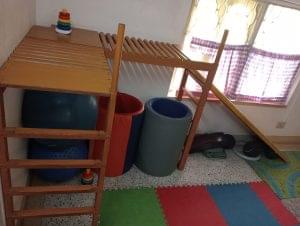
Another effective method is obstacle courses. You can create one using household items like cushions, boxes, or hula hoops. Children navigate through the course by crawling under tables or hopping over pillows.

Dance sessions also work wonders for gross motor skills. They develop rhythm while encouraging children to use their whole body in various movements.

Incorporating sports like soccer or basketball can further strengthen these skills while teaching teamwork and discipline. Each activity offers a unique opportunity for growth and enjoyment within a supportive environment.

Gross motor skills activities

Gross motor skills are essential for daily activities. They involve the large muscles of the body, allowing for movements like running, jumping, and climbing.

For children with autism, engaging in fun activities can enhance these skills. Simple exercises such as obstacle courses can be both enjoyable and beneficial. These courses encourage coordination and balance while promoting physical fitness.

Another effective activity is playing ball games. Kicking or throwing a ball helps improve hand-eye coordination and strengthens muscles.

Dance sessions also offer great opportunities for movement. Kids can express themselves through music while developing rhythm and timing.

Incorporating outdoor playtime into routines fosters natural gross motor development too. Whether it’s riding a bike or swinging at the park, these experiences nurture confidence in their abilities to move freely.

Engagement in diverse activities ensures that children explore various ways to interact with their environment.

Self-care skills activities

Self-care skills are essential for fostering independence in children with autism. These activities encompass daily tasks like dressing, grooming, and hygiene.

Engaging in self-care routines helps children build confidence. Simple tasks such as washing hands or brushing teeth can be transformed into fun games. This makes learning enjoyable while reinforcing important habits.

Visual schedules can also support understanding. Children benefit from clear steps displayed visually, making it easier to follow through on each activity.

Role-playing is another effective method. By simulating various scenarios, children practice self-care skills in a safe environment before applying them in real life.

Incorporating sensory elements can enhance these experiences too—think of textured materials when choosing clothes or different scents during bath time to make the process engaging and calming simultaneously.

Occupational Therapy (OT) makes improvement in different activities

Occupational Therapy (OT) plays a vital role in enhancing various skills for children with autism. By focusing on individual needs, OT helps improve daily living activities that may be challenging due to sensory processing issues.

Engaging in targeted exercises can lead to noticeable advancements in fine motor skills, allowing kids to participate more fully in school and home tasks. Moreover, gross motor skills are often improved through play-based activities designed by occupational therapists.

Self-care is another area where OT shines. Children learn essential life skills like dressing, grooming, and personal hygiene at their own pace but with consistent support from trained professionals.

In Kolkata, specialized occupational therapy for autism is available at numerous centers dedicated to helping children thrive. These facilities employ tailored approaches that make learning enjoyable while addressing specific challenges faced by each child.

Families seeking an occupational therapy center in Kolkata will find a variety of resources aimed at fostering independence and improving quality of life for those with autism spectrum disorder. The focus remains on empowering both the child and their family through effective therapeutic strategies that encourage growth and development across multiple domains of life.

This will close in 0 seconds